Antarctica’s Native Insect

Antarctica’s Native Insect - Antarctica Journal News

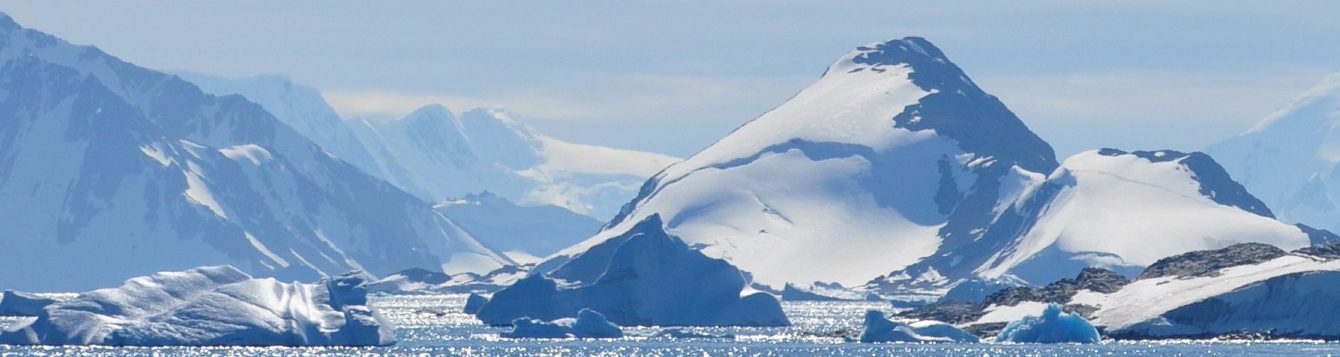
Antarctica’s native insect, the Antarctic Midge is a flightless insect that can survive nine months frozen at temps of at least negative 15 degrees Celsius.  It loses about 70% of its body fluids and can live for about a month without oxygen.  The midge survives because of its combination of rapid cold hardening and warm temperatures in its underground habitat.  […]

Read more

A Moon With Water

Astrobiologists searching the heavens for extraterrestrial life have a simple motto: “Follow the water, ”says The Washington Post. Water is an essential ingredient in all earthly biochemistry, so scientists believe it’s logical to look for life first on planets and moons with liquid water.New data from NASA’s Cassini spacecraft indicate that Enceladus, a tiny, ice-encrusted moon orbiting Saturn, may be […]

Read more

Nasa: Antarctic ice-shelf will be gone by 2020

According to a new study by Nasa, Antarctica’s Larsen B ice-shelf is on course to completely disintegrate within the next five years. Studies show that the 10,000-year-old ice shelf, after partially collapsing in 2002, is “quickly weakening.” “These are warning signs that the remnant is disintegrating,” said Ala Khazendar of Nasa’s Jet Propulsion Laboratory (JPL) in Pasadena, California. “Although it’s […]

Read more

Mosquitoes Bring Chikungunya To The U.S.

Mosquito

Chikungunya is a serious health threat. Mosquitoes once limited to tropical I regions are spreading north to the U.S., carrying both dengue fever and Chikungunya, a virus that causes fever, chills, headache, and punishing joint pain that can persist for years. Once a relatively obscure illness limited mostly to Africa, Chikungunya (pronounced chicken gunya) has transformed over the past decade […]

Read more

Killer whales under threat of extinction from toxic ocean chemicals

Killer whales under threat of extinction from toxic ocean chemicals

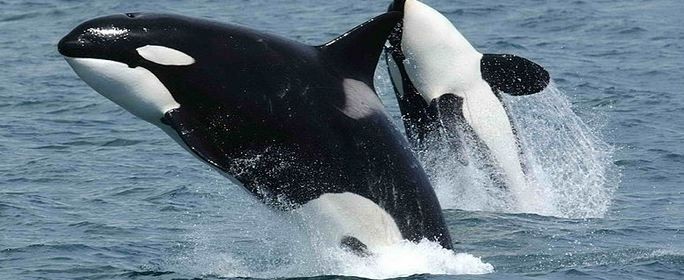
At least half of the world’s killer whales will become extinct because of toxic waste in the oceans within the next century according to researchers.  Some areas despite efforts to control the pollutants of polychlorinated biphenyls (PCBs) still remain at high levels. Research scientists from the Zoological Society of London (ZSL) are saying that if we don’t bring down the […]

Read more

West Antarctic Ice Melt Affects Sea Level Rise

Aerial image showing a contrast of ice formations and dark water in Antarctica.

New research indicates that accelerating ice loss in vulnerable West Antarctic ice shelves is almost inevitable in the coming century as surrounding waters warm. This development could suggest that previous predictions of one to three feet of sea level rise by 2100 were too conservative. The study reveals that, irrespective of aggressive human efforts to reduce fossil fuel emissions and […]

Read more
1 15 16 17 18 19 24