How Sea Ice Forms

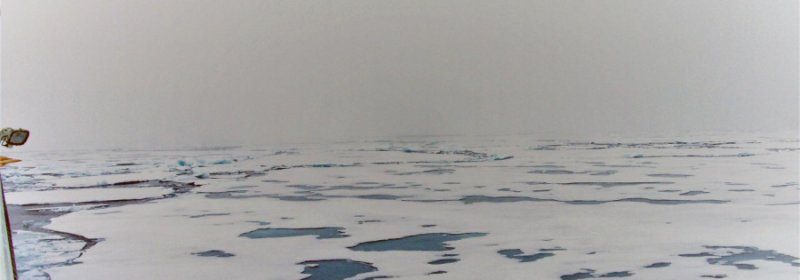
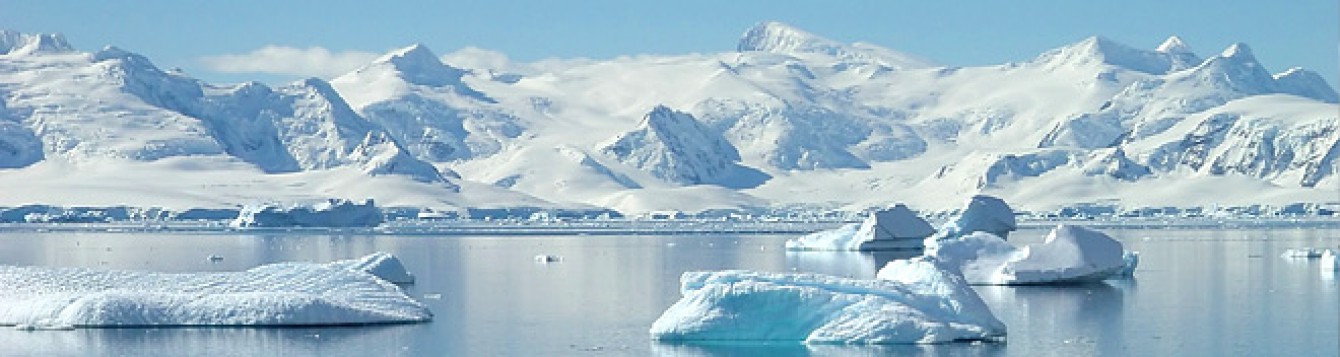
Sea ice is formed from ocean water that freezes. Because the oceans consist of saltwater, this occurs at about minus 1.8 degrees Celsius (28.8 degrees Fahrenheit). Most Antarctic sea ice occurs annually, meaning it forms in the winter and melts during the summer. Sea ice regulates exchanges of heat, moisture and salinity in the polar oceans. It insulates the relatively warm […]

Read more

EARTHS CARBON DIOXIDE LEVELS REACH HISTORIC HIGH

EARTHS CARBON DIOXIDE LEVELS REACH HISTORIC HIGH

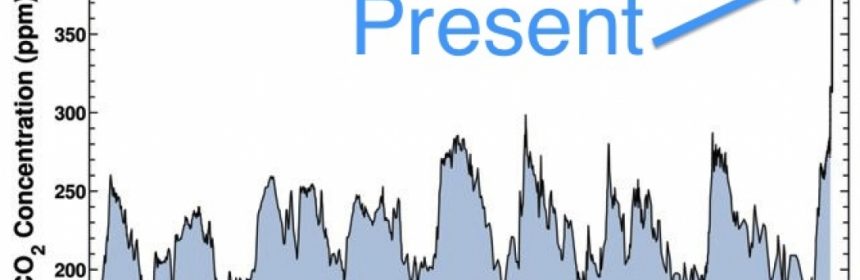
Climatologists found that the carbon dioxide levels have risen so high that they could have catastrophic consequences to our life on the planet earth.  Prior to the 18th century the levels were averaging about 280 ppm (parts per million).  The Industrial Revolution began burning fossil fuels which sent more carbon dioxide into the atmosphere.  They are predicting that our carbon […]

Read more

Freshwater under the ocean

Vast reserves of freshwater have been discovered beneath the seabed of continental shelves off Australia, China, North America, and South Africa—a potentially valuable resource for coastal cities needing to alleviate water shortages or combat drought. The finding comes from a new analysis of seafloor water studies conducted for oil and gas exploration purposes. The total volume of these untapped reserves […]

Read more

Oxygen-starved oceans held back life’s recovery after the ‘Great Dying’

Stanford scientists have found that chronically low levels of oxygen throughout the oceans hampered the recovery of life after the Permian-Triassic extinction, the most catastrophic die-off in our planet’s history. Also known as the “Great Dying,” global ecosystems collapsed as some 90 percent of species perished in this extinction event 250 million years ago. The new findings, published this week […]

Read more

The Arctic’s ozone hole

The ozone layer over the Arctic Circle developed a giant hole this winter, scientists say. Over the North Pole, 40 percent of the ozone layer has disappeared—a record seasonal loss. Ozone high in the atmosphere shields the Earth from harmful UV rays, and it fluctuates seasonally; usually about 25 percent of the Arctic’s ozone layer fades every winter. In the […]

Read more
1 8 9 10 11 12