How Sea Ice Forms

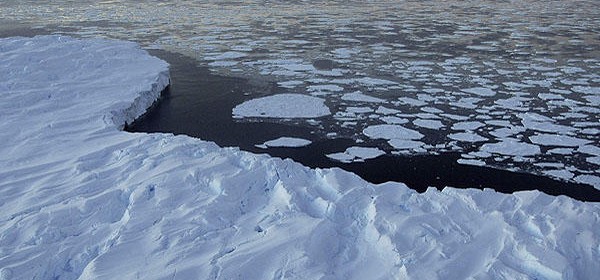
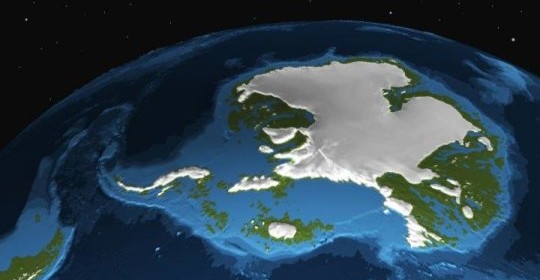
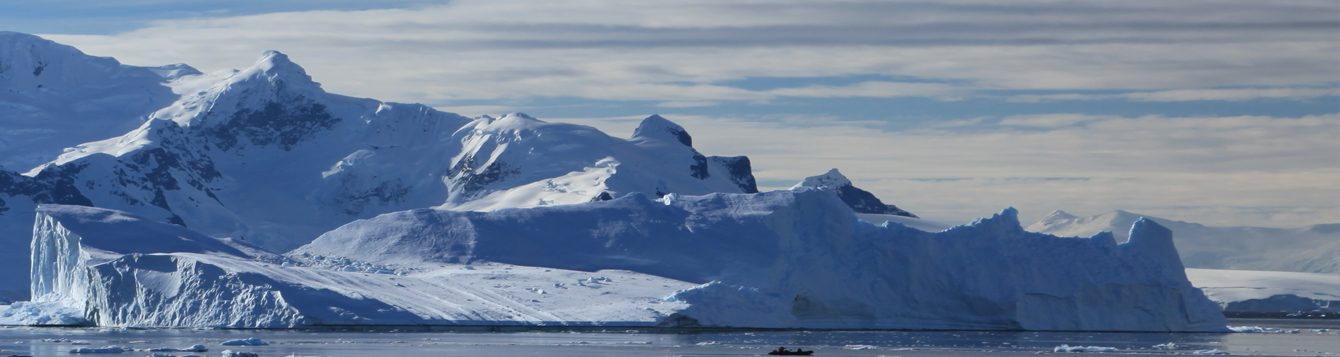
Sea ice is formed from ocean water that freezes. Because the oceans consist of saltwater, this occurs at about minus 1.8 degrees Celsius (28.8 degrees Fahrenheit). Most Antarctic sea ice occurs annually, meaning it forms in the winter and melts during the summer. Sea ice regulates exchanges of heat, moisture and salinity in the polar oceans. It insulates the relatively warm […]

Read more

The Arctic’s ozone hole

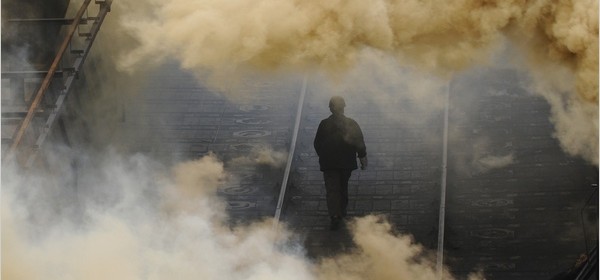
The ozone layer over the Arctic Circle developed a giant hole this winter, scientists say. Over the North Pole, 40 percent of the ozone layer has disappeared—a record seasonal loss. Ozone high in the atmosphere shields the Earth from harmful UV rays, and it fluctuates seasonally; usually about 25 percent of the Arctic’s ozone layer fades every winter. In the […]

Read more

Humans settled, set fire to Madagascar’s forests 1,000 years ago

There’s no question that our species has had a dramatic impact on the planet’s physical environment, particularly over the last few centuries, with the rise of modern industry, transportation, and infrastructure. But as new research shows, humans have been transforming the landscape, with lasting impacts, since long before the start of the Industrial Era. Scientists from MIT and the University […]

Read more

Heat is heading for new extremes

Heatwaves that used to arrive once every 20 years or so could become annual events by 2075 across almost two-thirds of the planet’s land surface – if humans go on burning ever more fossil fuels and releasing ever more greenhouse gases. Claudia Tebaldi, visiting scientist at the US National Center for Atmospheric Research, and Michael Wehner, senior staff scientist at […]

Read more

Humans’ indelible mark on new era

Geologists are convinced that humans have left a mark upon the planet that will detectable millions of years from now. Long after human civilization has perished, there could be a stratum of fossilized rock and a geological time zone that says: “We were here.” So there is a case for calling the present epoch “the Anthropocene” − probably dating from […]

Read more

The Effects of Global Warming on Polar Bears

The Effects of Global Warming on Polar Bears

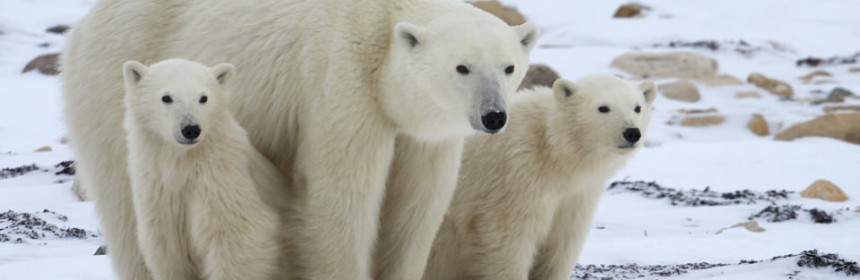
Polar bear numbers are expanding The Effects of Global Warming on Polar Bears has been quite significant. “A main Canadian power on polar bears, Mitch Taylor, said: ‘We’re seeing an increment in bears that is truly phenomenal, and in spots where we’re seeing an abatement in the populace it’s from chasing, not from environmental change.’” (Scotsman.com) Polar bears are found […]

Read more

Carbon rise keeps water in drylands

The drylands of the world are getting greener, and researchers think it is thanks to higher levels of carbon dioxide in the atmosphere. In a paradoxical discovery, even as landscapes become increasingly at risk of desertification, they may also look more luxuriant. Two scientists from Purdue University in Indiana, US, and a researcher in Saudi Arabia report in the journal […]

Read more
1 2 3 7