Envying the lower castes

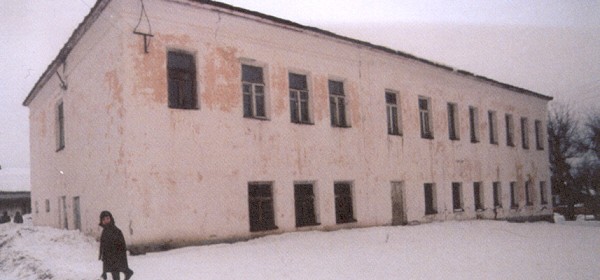
Suddenly everyone wants to be low-caste, said Badri Narayan. It used to be considered an extreme disadvantage to be in one of India’s oppressed castes or indigenous tribes. But decades of affirmative action and quota systems have changed all that. Now, many lower-middle castes are agitating to be reclassified as “more backward,” in effect “struggling to move down the ladder […]

Read more

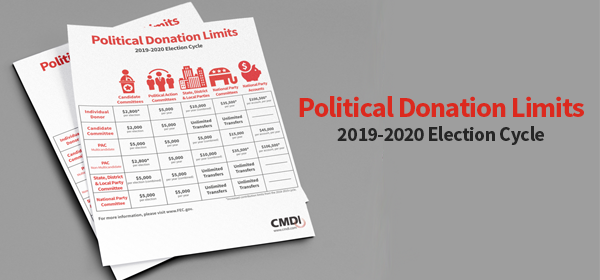
Contribution limits for 2019-2020 federal elections

Contribution limits for 2019-2020 federal elections

Under the Federal Election Campaign Act (the Act), contributions are subject to limits. This page examines the rules concerning the limits placed on contributions to a candidate’s campaign. The limits apply to all types of contributions (except contributions made from a candidate’s personal funds). It is important to note that a campaign is prohibited from retaining contributions that exceed the […]

Read more

Political Donation Limits For 2016 Federal Elections

Political donation limits

Washington, D.C. Under current FEC political donation limits, which are adjusted for inflation in odd-numbered years, individuals can give up to $5,400 to candidates—$2,700 for their primary campaigns, and another $2,700 for the general election—and up to $33,400 per year to national party committees in the 2016 cycle. Previously, the limit was $2,600 to candidates and $32,400 to national party […]

Read more

Hunters for the Hungry (Budget Cuts Affecting Food Pantries)

Hunters for the Hungry - production of ground venison

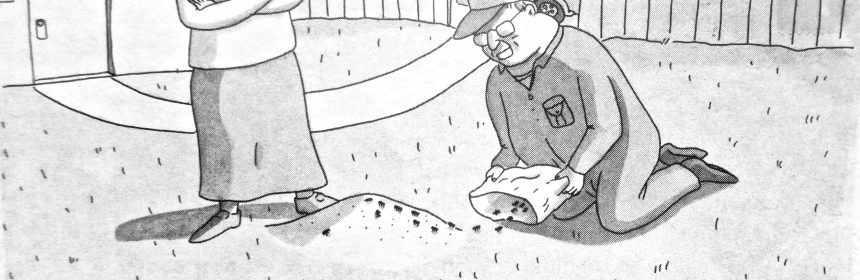
Hunters for the Hungry Fred has been working with an agency called Hunters for the Hungry for five years. During that time, his food bank has received thousands of pounds of venison to feed the poor. This year, however, when Fred received no call from the agency saying it was ready to deliver the meat, he called the organization himself.    The answering machine […]

Read more

The sad state of warehoused children

Russian orphanages are a scandal, said Jennifer Rankin. State institutions house nearly 400,000 children, a population larger than many cities. But less than one third of these children are actually orphans. Many “fall into the system when their parents, often fighting a losing battle with alcohol or drugs,” lose their parental rights. Even more of them—nearly half the total—have disabilities, […]

Read more
1 2 3 4