The most Earth-like planet yet

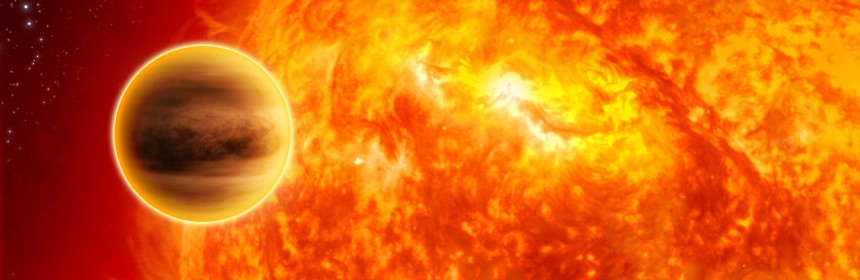
Have we found Earth’s twin? For the first time, astronomers have identified a planet outside our solar system that is both Earth-size and orbits its star in the so-called Goldilocks zone, where temperatures may be “just right” for supporting liquid water—and, therefore, life. Researchers discovered the planet while reviewing data from NASA’s Kepler space telescope, which has spent the past […]

Read more

Voyager 1 Escaping Our Solar System

On the 35th anniversary of its launch, the Voyager 1 spacecraft is close to becoming the first man-made object to escape our solar system. The spacecraft—run by a 1977 computer 100,000 times less powerful than an iPod Nano—is currently 11.3 billion miles away. In 2004, Voyager 1 entered the turbulent boundary zone beyond Pluto, where solar winds encounter plasma pushing […]

Read more

A monster black hole

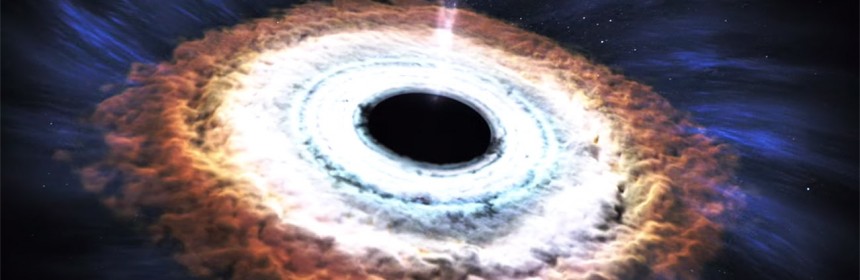
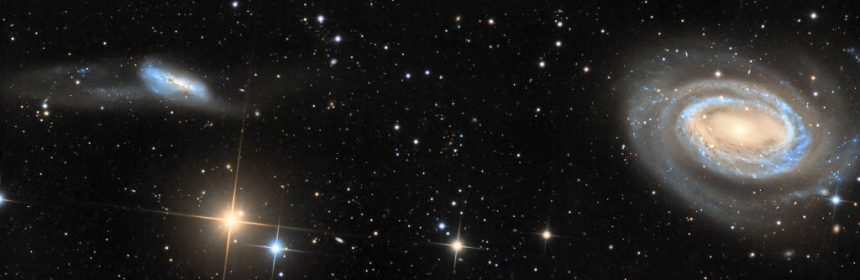
An international team of astronomers has detected a colossal black hole that is 12 billion times more massive than the sun—so big that it is challenging accepted cosmological thinking. Scientists discovered the enormous celestial body, which is 12.8 billion light-years from Earth, at the center of a brilliantly glowing quasar, a cloud of gas that gets superheated and gives off […]

Read more

Strange Plumes On Mars

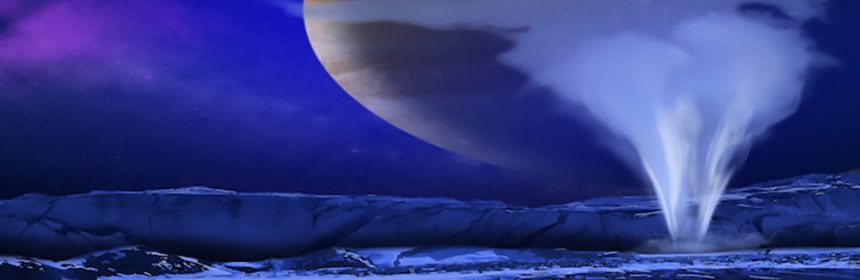
  Mysterious plumes of gas rising more than 150 miles above the surface of Mars have left scientists confounded. On two occasions in the spring of 2012, amateur astronomers spotted a cloud developing on the surface of the Red Planet. The plumes, which spanned about 600 miles in diameter and changed shape constantly, appeared within a few hours and remained […]

Read more

Our Galaxy’s Explosive Past

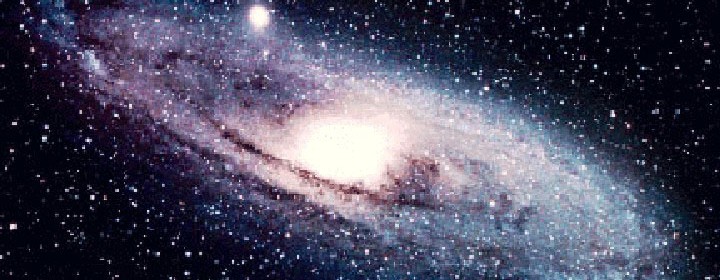
Our Galaxy's Explosive Past

A huge energy flare ripped through the heart of our galaxy about 3.5 million years ago. A blast so extremely powerful, it could be felt 200k light-years away and lasted more than 300k years. A study concluded by researchers in Australia and the U.S. found that the former belief that “our galaxy was an inactive galaxy” may in fact not […]

Read more

When the Red Planet was partly blue

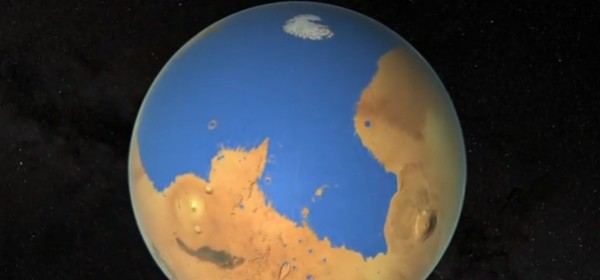
Astronomers have found the strongest evidence yet that ancient Mars had a massive ocean for millions of years— an indication that the Red Planet once had everything necessary to support life. Shortly after Mars formed 4.5 billion years ago, NASA scientists say, the planet was wet, with enough water to cover the entire planet to a depth of about 450 […]

Read more
1 2 3 4 5 6